
Choosing the Right Motocross Helmet for Ventilation
Table of Contents
- Why Ventilation Matters in Motocross Helmets
- Understanding Helmet Ventilation Features
- Motocross Helmet Fit Guide for Optimal Airflow
- Motocross Helmet Ventilation for Hot Weather
- Helmet Types and Their Ventilation Capabilities
- Protective Features and Cooling: Finding the Balance
- Maintaining Your Helmet's Ventilation
- Frequently Asked Questions
Last Updated: October 7, 2026
Why Ventilation Matters in Motocross Helmets
Ventilation is the difference between a comfortable ride and suffering through heat exhaustion. When you're pushing hard on the track, your body generates intense heat. Choosing the right motocross helmet for ventilation directly impacts your performance and safety.
The core challenge is finding a helmet that cools effectively without compromising protection. Many riders assume all ventilation is equal, it's not.
Ventilation affects more than just comfort. Excess heat can impair judgment and reaction time (Effects of Heat Strain on Cognitive Function Among a Sample of Miners). Fogging visors become a safety hazard. Sweat dripping into your eyes during a critical moment costs you focus.
Understanding Helmet Ventilation Features
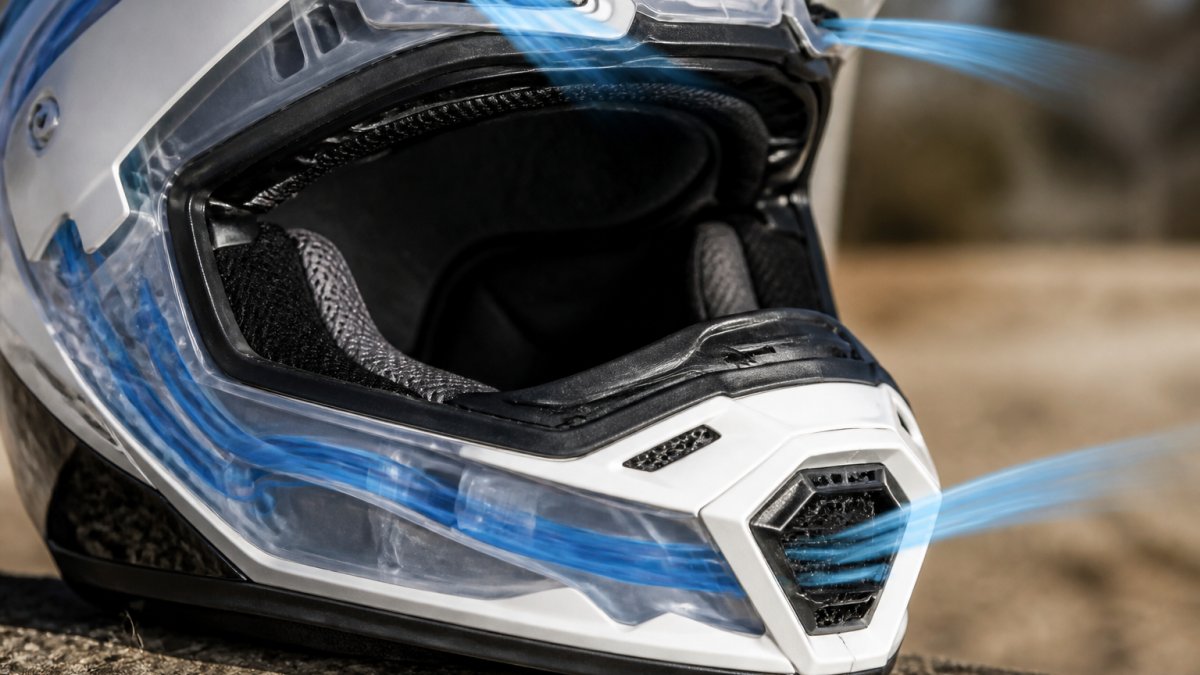
Motocross helmet ventilation relies on a combination of intake and exhaust vents working together. Air enters through front vents, travels through internal channels, and exits through rear and top vents. This flow creates a cooling effect even at moderate speeds. The design of these vents and their placement determines how much air actually reaches your face and scalp.
Intake Vents and Air-Through Construction
Intake vents are your primary cooling tool. These openings on the front and sides of the helmet capture moving air and direct it into the helmet's interior.
Look for helmets with multiple intake points. A single large vent performs worse than two or three smaller vents positioned to feed different areas. The best designs have intake vents on the chin bar and forehead, creating cross-flow patterns that reach your entire face.
Some helmets feature removable intake vent covers. This is valuable for adjusting ventilation based on conditions. In dust storms, you can partially close them. In cool weather, you can seal them completely to retain warmth. This flexibility makes a significant difference across varying riding environments.
Exhaust Vents and Heat Escape
Exhaust vents at the rear and top of the helmet are equally critical. These allow hot air to escape, creating negative pressure that pulls cooler air through intake vents. Without effective exhaust venting, air becomes trapped inside the helmet, defeating the purpose of intake vents entirely.
The best motocross helmet ventilation systems position exhaust vents high on the back and top. This takes advantage of natural airflow patterns. As you move forward, pressure differences push hot air out the back while pulling cool air in the front.
Some riders overlook exhaust vents because they're less visible than intake openings. Don't make that mistake. A helmet with excellent intake vents but poor exhaust design will leave you hot and uncomfortable. The two must work together.
Chin Bar and Forehead Vent Placement
The chin bar and forehead are where most heat builds up during riding. Vents in these areas directly cool the areas that matter most.
Forehead vents work similarly, channeling air across your brow and scalp. Some helmets combine these with a peak or visor design that helps direct air upward and away from your eyes.
The spacing of these vents matters too. Vents positioned too close together create redundant airflow. Vents spaced strategically across the chin bar and forehead create more comprehensive cooling coverage.
Motocross Helmet Fit Guide for Optimal Airflow
A poorly fitting helmet compromises ventilation regardless of vent design. If the helmet is too loose, air leaks around the sides instead of flowing through vents. If it's too tight, padding compresses and blocks internal channels. The right fit ensures air follows the designed pathways.
Measuring Your Head and Sizing Correctly
Start with an accurate head measurement. Use a soft measuring tape around the widest part of your head, about an inch above your eyebrows. Measure twice to confirm. This measurement determines your base size, but it's only the starting point.
Different helmet brands use different sizing standards. One brand's medium might fit differently than another's. Always try a helmet before buying if possible. If ordering online, check the manufacturer's sizing chart and read reviews from other riders with similar head shapes.
Your head shape matters as much as size. Some people have rounder heads, others are more oval or elongated. Helmet manufacturers design for different shapes. A helmet that fits perfectly for a round head might feel loose on an oval head, even at the same size.
How Fit Affects Ventilation Performance
When a helmet fits correctly, the padding sits snugly against your head without excessive pressure. This allows internal air channels to function as designed. Loose padding or gaps around the cheeks and temples disrupt airflow patterns.
The cheek pads deserve special attention. If they're too loose, air bypasses them instead of flowing through vents. If they're too tight, they compress and reduce the space for air to travel. Many quality motocross helmets have removable cheek pads in different thicknesses, letting you dial in the perfect fit.
A proper fit also keeps the helmet stable. Movement during riding causes the helmet to shift slightly, disrupting ventilation flow. A stable helmet maintains consistent air channels, improving cooling performance throughout your ride.
Motocross Helmet Ventilation for Hot Weather
Hot weather riding demands aggressive ventilation. Standard venting works fine in cool conditions, but summer heat requires helmets specifically designed for maximum airflow.
Evaluating Airflow in High-Temperature Conditions
Test ventilation by feeling air movement inside the helmet while wearing it. Move your head side to side and forward and backward. You should feel consistent airflow across your face and scalp. Dead spots where air doesn't reach indicate poor vent placement or blocked channels.
Some riders test helmets by riding at different speeds. Ventilation improves with speed due to increased air pressure, but you need adequate cooling even at moderate speeds. A helmet that only cools at high speeds isn't suitable for technical terrain where you're braking and accelerating constantly.
Consider the specific riding conditions you'll face. Track riding generates different heat than trail riding. Sand and dust environments require different ventilation approaches than open-air tracks. Choose a helmet that prioritizes cooling for your typical conditions.
Ventilation Trade-Offs: Dust, Mud, and Rain
Maximum ventilation in hot weather often means accepting compromises in other conditions. A helmet with aggressive venting might let dust penetrate during dusty conditions. Mud can clog vents, reducing their effectiveness.
The solution isn't to abandon ventilation. Instead, choose a helmet designed for your primary riding environment.
Some helmets offer removable vent plugs or covers. This flexibility lets you adapt to changing conditions without buying multiple helmets. In dusty conditions, you partially seal vents. In hot, clear weather, you open them fully.
Understanding these trade-offs prevents disappointment. A helmet optimized purely for ventilation might struggle in dusty or wet conditions. Conversely, a helmet designed to block dust might leave you overheating in hot weather.
Helmet Types and Their Ventilation Capabilities
Different helmet designs offer different ventilation characteristics. Understanding these differences helps you choose the right motocross helmet for ventilation based on your riding style.
Full-Face Helmets vs. Open-Face and ADV Designs
Full-face motocross helmets provide the best protection but can restrict ventilation compared to open designs. The chin bar and lower face coverage create pressure zones that reduce airflow. Quality full-face helmets compensate with aggressive vent placement and internal channels.
Open-face and ADV (adventure) style helmets offer superior natural ventilation. The open lower face allows unrestricted airflow. However, they provide less protection and can feel drafty in cool weather. ADV helmets with extended peaks can create turbulence that disrupts airflow, paradoxically reducing cooling efficiency despite their open design.
Full-face helmets suit riders prioritizing protection and are willing to manage heat through good vent design. Open-face and ADV styles work better for riders in cooler climates or those who value maximum natural cooling over full facial protection.
Protective Features and Cooling: Finding the Balance
Protection and ventilation sometimes compete. More protective padding reduces internal space for airflow. Thicker materials provide better impact absorption but trap more heat. The best helmets balance these competing demands through intelligent design.
DOT and Snell Safety Standards
DOT (Department of Transportation) approval confirms a helmet meets minimum safety standards. Snell certification indicates testing to higher impact standards. Both standards require helmets to absorb significant impact energy, which typically means thicker padding and materials.
A DOT or Snell-approved helmet with good ventilation represents the optimal balance. Don't sacrifice safety for cooling. Instead, choose a certified helmet with proven ventilation performance. Many quality motocross helmets achieve both.
Padded Liners and Removable Cheek Pads
Padded liners provide comfort and some thermal regulation. Thicker padding absorbs sweat and reduces direct contact with hard shell materials. However, excessive padding blocks airflow. The best liners use moisture-wicking materials that absorb sweat while maintaining internal space for air circulation.
Removable cheek pads offer customization. You can choose thinner pads for hot weather and thicker ones for cold weather. This single feature significantly extends a helmet's usability across seasons. If you ride year-round, prioritize helmets with removable, replaceable pads in different thicknesses.
Some advanced liners feature emergency cheekpad release systems. These allow medical personnel to remove the helmet without moving your head in emergency situations. This safety feature doesn't compromise ventilation and is worth seeking out.
Maintaining Your Helmet's Ventilation
Ventilation performance degrades over time without proper maintenance. Dust, mud, and debris clog vent channels. Sweat and sunscreen residue build up inside. Regular cleaning keeps vents functioning at peak efficiency.
Clean external vents regularly using a soft brush or compressed air. Remove visible debris from intake and exhaust openings.
Inspect vent covers and removable plugs periodically. Replace any that show wear or damage. Check that internal channels aren't blocked by padding deterioration or debris accumulation.
Store your helmet in a cool, dry location away from direct sunlight. UV exposure degrades materials and can cause padding to compress, reducing ventilation performance.
Choosing the right motocross helmet for ventilation requires balancing protection, fit, and cooling performance. The best choice depends on your specific riding conditions, climate, and riding intensity.
Frequently Asked Questions
How can I tell if a motocross helmet has good ventilation?
Check for multiple intake vents on the forehead, chin bar, and sides, plus exhaust vents at the rear and top. Run your hand over the helmet's exterior to feel air pathways. Look for removable or adjustable vent covers. When trying on a helmet, feel air movement at cheeks and forehead with the visor closed. Vents should allow steady airflow without creating dead zones where heat pools.
What should I look for in a motocross helmet for hot weather?
Prioritize helmets with air-through construction featuring large, strategically placed intake and exhaust vents. Choose models with removable, washable liners to improve airflow and reduce moisture buildup. Lighter helmets generate less heat stress. Look for extended visors or peaks that reduce sun exposure. Ensure proper fit so air channels work effectively, loose helmets waste ventilation, while tight ones restrict airflow and cause discomfort.
Does helmet fit affect ventilation performance?
Yes, significantly. A properly fitted helmet directs airflow through designed channels and prevents hot spots. Loose helmets allow air to bypass vents without cooling effectively. Tight helmets compress padding and restrict air pathways. Your helmet should feel snug on cheeks and forehead without pressure points. Measure your head circumference in inches just above your eyebrows, then consult the manufacturer's sizing chart to ensure vents align with your head shape for maximum cooling.
What are the trade-offs between ventilation and protection in dusty or wet conditions?
Helmets with maximum ventilation allow more dust and mud to enter during off-road riding. Full-face designs with chin bars provide better dust protection than open-face options. In rain, high ventilation can increase water ingress. For mixed conditions, choose helmets with adjustable or closable vents, or removable chin bar covers. Consider your primary riding environment, pure motocross in dust may prioritize protection, while trail riding in variable weather benefits from adjustable ventilation options.