
Why Is Premium Motocross Apparel Expensive? 4 Facts
Table of Contents
- What Drives the Price of Premium Motocross Apparel?
- Motocross Gear Safety Standards and Certification Costs
- Technical Fabrics and Manufacturing Complexity
- Marketing, Sponsorships, and Brand Positioning
- Durability vs. Entry-Level Gear: A Lifecycle Cost Analysis
- How to Choose Motocross Gear That Fits Your Budget
- Motocross Apparel Maintenance Tips to Extend Gear Life
- Conclusion: Weighing Cost Against Protection and Value
- Frequently Asked Questions
Last Updated: September 8, 2026
What Drives the Price of Premium Motocross Apparel?
Premium motocross apparel is expensive because it must protect a rider from high-speed impacts, survive repeated abuse, and remain comfortable for hours. Unlike casual clothing, it is protective equipment first and a garment second. The cost reflects serious engineering, not just a brand name.
Families often ask this constantly when comparing a generic jersey to a premium option. The price gap is real, but so is the gap in what happens to your skin and wallet when you crash at speed.
The price breaks down into four main areas: safety compliance and testing, technical materials and construction, brand overhead from sponsorships, and durability that spreads cost over years of use. Below, we show how each factor contributes to the final price tag.
Motocross Gear Safety Standards and Certification Costs
Motocross gear safety standards exist to ensure protective apparel performs during a crash. Unlike street riding, motocross has no legal requirement to wear certified gear in most areas, so the certification on premium gear is voluntary. That choice to certify is expensive.
The Mechanics of CE Certification
The most recognized standard is CE certification under the Personal Protective Equipment (PPE) Regulation. It is a tiered system, not a single pass/fail test. For armor, the relevant standards are EN 1621-1 (limbs) and EN 1621-2 (back protectors), measuring transmitted force in kilonewtons (kN) during a drop test.
A Level 1 protector must transmit less than 35 kN of force; a Level 2 must transmit less than 20 kN. Achieving Level 2 requires denser, more sophisticated foams or viscoelastic materials. A simple Level 1 foam pad might cost a few dollars per unit; a Level 2 multi-layer or D3O-style pad can cost several times that before it is sewn into a garment.
The Cost of the Test Itself
Each new model and size run must be submitted to an independent body, such as SGS or TÜV, for verification. A single test series for one protector design can cost between $5,000 and $15,000 (sgs.com). For a full line of gear, knee, elbow, chest, and back, a manufacturer might spend over $50,000 in certification fees before the first unit is sold.
The Hidden Cost of Compliance
CE certification also requires ongoing factory audits and a technical file documenting design, materials, and production. Changing a supplier for outer fabric or foam can invalidate certification, requiring retesting. This is why premium brands rarely switch materials mid-production, it is about maintaining valid certification.
Why Some Brands Skip It
Entry-level gear often skips CE certification entirely, relying on generic 'impact protection' claims. This is legal in most states because motocross is not subject to DOT or Snell standards that apply to street helmets. The only thing standing between a rider and uncertified armor is the brand's willingness to spend on voluntary testing.
Technical Fabrics and Manufacturing Complexity
The fabrics in premium motocross gear are engineered for specific jobs, and each adds cost. A typical premium jersey combines moisture-wicking synthetic fibers with ventilation panels and reinforced stitching in high-wear areas.
A motocross pant requires multiple layers: an outer shell with abrasion resistance, a mid-layer for impact protection, and a liner for comfort. Each layer must be cut, sewn, and assembled with precision, requiring pattern engineering that flat garments simply do not need.
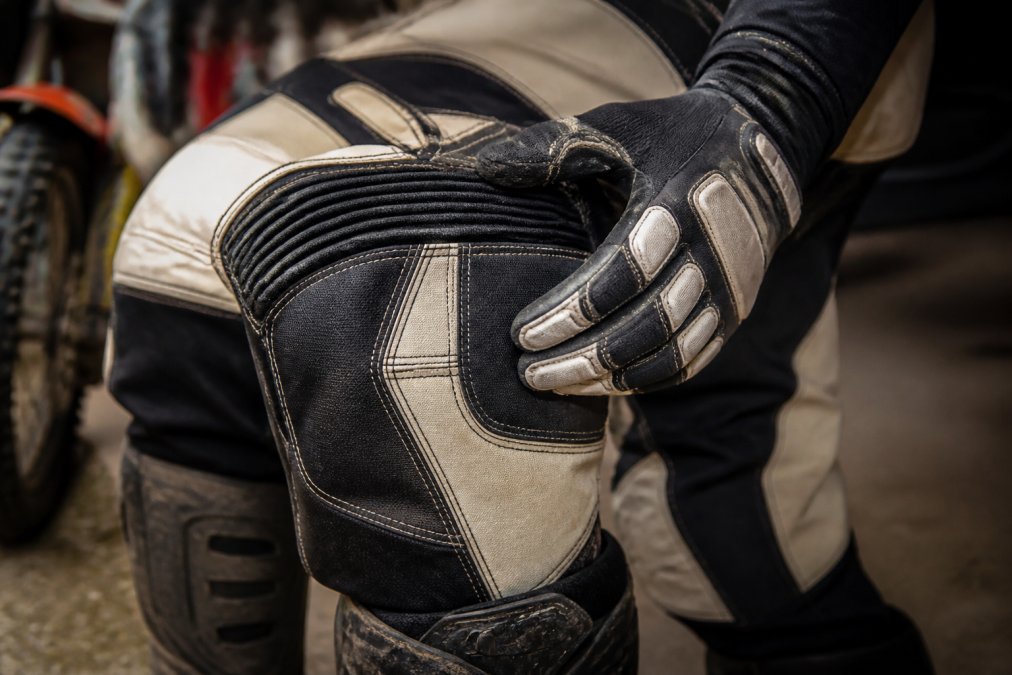
The manufacturing process is labor-intensive. Reinforced stitching, heat-resistant panels near the exhaust, and chassis design that positions armor correctly require skilled workers and quality control. Entry-level factories take shortcuts here, thinner thread and fewer stitches per inch, which shortens the garment's life.
Marketing, Sponsorships, and Brand Positioning
A significant portion of what you pay for premium motocross apparel goes toward marketing, and the biggest line item is sponsorships. When you see a factory rider wearing a brand's full kit at a national event, that rider is being paid to be a billboard, and that cost is built into every jersey and pant the brand sells.
How Sponsorship Costs Reach Your Wallet
Factory riders in the upper levels of motocross earn salaries that rival professional athletes in other sports. Brands also pay for race team operations, transport, mechanics, and support staff. These costs are factored into the wholesale price of every product.
This is not necessarily a bad deal for you. Sponsorships drive brand visibility, which creates demand, which allows manufacturers to produce at scale. But it does mean that a portion of your purchase funds the sport's professional ecosystem. The AMA Pro Motocross Championship series overview shows the scale of the events where this marketing happens, with brands competing for visibility across a full season.
Market positioning also plays a role. A brand that invests heavily in research and development, sponsorships, and premium materials positions itself as top-tier, supporting a higher price because it sells a complete package: performance, status, and the implicit promise that the gear has been proven at the highest level of the sport.
Durability vs. Entry-Level Gear: A Lifecycle Cost Analysis
The most persuasive argument for premium motocross apparel is not the upfront price but the cost per ride. A $120 premium jersey that lasts three seasons is cheaper per ride than a $50 entry-level jersey that shreds at the shoulder seam after a few hard races.
The Real Math of Cost Per Ride
A weekend warrior rides 30 times per season. Entry-level pants, priced between $80 and $120, often show significant wear, frayed knees, blown seams, or torn zippers, after 15 to 20 rides, meaning a rider might go through two pairs per season. At $100 per pair, that is $200 per season, or roughly $6.67 per ride.
Premium pants, priced between $250 and $350, use high-denier nylon (often 600D to 1000D) and reinforced stitching. With proper care, a rider can expect 90 to 120 rides before the outer shell fails. At $300 per pair, that is $2.50 to $3.33 per ride, saving the rider between $150 and $300 over three years despite the higher upfront cost.
The Abrasion Factor
Abrasion resistance is about fabric type, not just thickness. Entry-level gear often uses lightweight polyester or nylon not woven for abrasion. Premium gear uses Cordura or Kevlar-reinforced panels in high-wear zones, knees, hips, and inner legs, measured in denier (D). A 1000D Cordura panel is significantly more resistant to tearing on impact than 200D standard nylon.
Repairability: The Untold Value
Entry-level gear is typically assembled with glued panels and single-stitch seams. When a seam fails, the fabric often tears adjacent to the stitching, making repair impossible. The entire garment is trash.
Premium gear is designed with repairability in mind. Many brands offer replaceable knee sliders, removable liner systems, and even replacement zippers. If a premium pant's knee cup wears out, you can often order a replacement part and have it sewn in by a local tailor, extending the pant's life by another season or two, a structural advantage entry-level gear does not offer.
The Hidden Cost of Injury
The lifecycle analysis must include the cost of a crash. A $50 pair of pants with no certified impact protection might save money upfront, but if it fails to absorb a knee impact, the medical deductible alone could be $1,000 or more. Premium gear with CE-certified Level 2 armor is designed to reduce impact severity, making it not just a better value but a form of insurance.
The Verdict
When you compare the numbers, the premium option wins on cost-per-ride, repairability, and risk mitigation. The upfront price is higher, but total cost of ownership over three seasons is often lower.
How to Choose Motocross Gear That Fits Your Budget
Choosing motocross gear starts with matching the gear to the riding you actually do. A weekend trail rider with kids does not need the same spec as a racer competing every weekend. Mid-range gear from reputable brands often provides the majority of the protection at a fraction of the price.
When comparing options, focus on safety features first. Check for CE certification on armor pieces, look at the denier of the outer fabric, and examine stitching on seams, especially around knees and shoulders. These details tell you more about real value than the logo on the chest.
Prioritize Protection, Then Comfort, Then Style
The order matters. A jersey that looks great but lacks ventilation will leave you overheating. A pant with poor articulation will restrict movement and cause rider fatigue. Style is last because a good-looking piece that fails on protection or comfort is a waste of money.
For families, this becomes a question of how often everyone rides. If you and your kids ride monthly, investing in premium gear that lasts multiple seasons makes sense. If you ride a few times a year, entry-level gear may be sufficient, though you should still prioritize certified impact protection. The Consumer Reports guide to buying sports safety gear recommends always checking for proper fit and certification regardless of price point.
A practical budget strategy is to buy premium for the pieces that matter most for safety, such as knee braces and chest protectors, and mid-range for items like jerseys and gloves that wear out faster and are cheaper to replace.
Motocross Apparel Maintenance Tips to Extend Gear Life
The single biggest factor in whether your motocross apparel lasts one season or three is how you care for it. Dirt and sweat break down technical fabrics quickly, and improper washing destroys them even faster. Following basic motocross apparel maintenance tips will protect your investment.
Always rinse your gear immediately after riding. Mud and dirt contain abrasive particles that grind into fabric fibers and stitching. A quick hose rinse removes the bulk of the debris before it does damage. For a deeper clean, use a gear-specific wash or mild detergent, never fabric softener, which ruins moisture-wicking performance.
Air drying is non-negotiable. Dryer heat breaks down elastic fibers, melts synthetic paneling, and weakens the glue holding armor in place. Hang gear in a shaded, ventilated area and let it dry naturally, this single habit extends the life of premium motocross apparel more than any other practice.
Store gear away from direct sunlight when not in use. UV rays degrade synthetic fibers and fade colors over time. A gear bag or closet shelf keeps apparel out of the sun and ready for the next ride. Check stitching and armor regularly for signs of wear, and address small issues before they become expensive problems.
Conclusion: Weighing Cost Against Protection and Value
Premium motocross apparel is expensive for concrete reasons: certified impact protection, engineered fabrics, complex manufacturing, and the marketing machine that funds the sport you watch. The price is not arbitrary, and it is not just about a logo.
The real question is what your safety and gear's lifespan are worth to you. For riders who hit the track regularly, premium gear pays for itself through durability and protection. For casual riders, smart shopping and careful maintenance can stretch a mid-range budget further.
At Moto Dad Racing, we understand that equipping a family for motocross adds up quickly. That is why we focus on durable, comfortable motocross-themed apparel that celebrates your family's passion for riding. Our hoodies and tees are designed to handle the wear and tear of family life, from the garage to the grandstands.
Get started with Moto Dad Racing and find apparel that keeps up with your family's riding lifestyle.
Motocross Gear Buying Quick Reference
| Factor | Entry-Level | Premium | Impact on Price |
|---|---|---|---|
| Impact protection | Basic foam, uncertified | CE-certified armor | Significant |
| Outer fabric | Thin, low abrasion resistance | High-denier, abrasion-resistant | Moderate |
| Construction | Minimal stitching, glued panels | Reinforced stitching, replaceable parts | Significant |
| Lifespan | 1 season with light use | 3+ seasons with proper care | Cost per ride |
| Repairability | Not repairable | Replaceable components | Long-term savings |
Frequently Asked Questions
Why are motocross pants so expensive compared to regular pants?
Motocross pants use multi-layer technical fabrics like abrasion-resistant nylon and Cordura, plus reinforced stitching in high-wear zones. They also include articulated pre-curved legs and ventilation panels. Unlike streetwear, they are engineered for impact protection and must meet motocross gear safety standards for CE certification. This manufacturing complexity, combined with lower production volumes than casual clothing, drives the price up.
Is there a real difference between entry-level and premium motocross apparel?
Yes, the gap is significant. Entry-level gear uses thinner synthetic fibers with basic construction. Premium apparel features higher denier fabrics with better tensile strength, double or triple reinforced stitching, and advanced impact protection like CE-certified armor pockets. The materials resist tearing in a crash and withstand repeated washing. For riders, premium gear also offers better ergonomic construction and breathability, which reduces rider fatigue during long motocross sessions.
Does brand name influence the cost of motocross gear?
Brand recognition accounts for part of the price, but it is not the whole story. Established brands invest heavily in research and development for performance fabrics and safety features. Their marketing budgets include sponsoring professional riders, and those sponsorship costs are factored into retail pricing. However, you are also paying for proven safety standards and consistent quality control. Compare the technical specifications and certifications rather than just the logo.
How can I make my premium motocross apparel last longer?
Follow a few motocross apparel maintenance tips to protect your investment. Always wash gear after each ride using mild detergent and cold water to remove mud and sweat that break down fibers. Never use fabric softeners, as they clog moisture-wicking treatments. Air dry your gear away from direct sunlight and store it in a cool, dry place. Check seams and zippers regularly and repair minor damage immediately to prevent it from worsening.