
How to Layer Motocross Gear for Different Seasons
Table of Contents
- Understanding the Three-Layer System for Motocross
- What to Wear Under Motocross Gear for Comfort and Performance
- Cold Weather Motocross Gear: Building Warmth Without Bulk
- Hot Weather Motocross Gear: Staying Cool and Dry
- Motocross Layering by Temperature: A Season-by-Season Breakdown
- Layering for High-Intensity Motocross: Heat Management Under Protective Gear
- Common Layering Mistakes to Avoid
- Caring for and Packing Your Layered Motocross Setup
- Frequently Asked Questions
Last Updated: October 12, 2026
Understanding the Three-Layer System for Motocross
The foundation of staying comfortable on the track comes down to mastering how to layer motocross gear using the three-layer system. This approach works because each layer serves a specific purpose: moisture management, insulation, and weather protection.
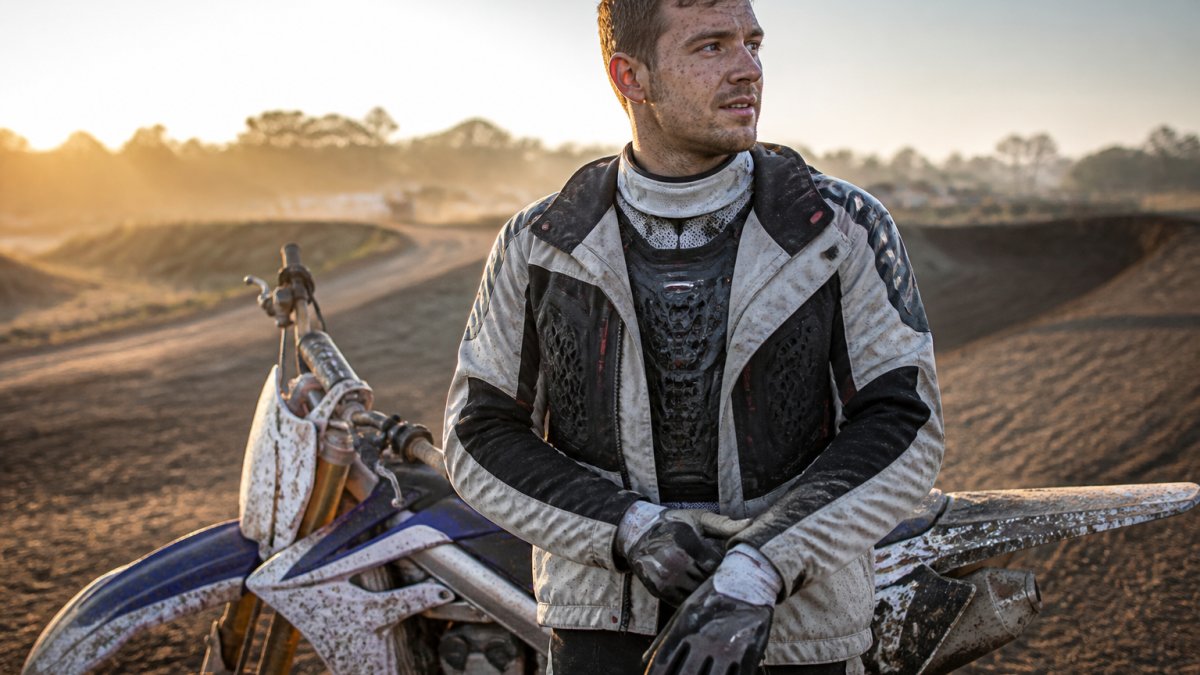
Base Layer Fundamentals
Your base layer sits directly against your skin. Its job is to pull sweat away from your body so you stay dry underneath your protective gear. Moisture-wicking fabrics work best here because they move sweat outward instead of trapping it.
Common base layer materials include:
- Synthetic blends (polyester, nylon)
- Merino wool for colder rides
- Lightweight mesh for hot weather
A fitted base layer works better than loose clothing. Tight fit means sweat moves away from skin faster. Loose fabric bunches under your protective gear and defeats the purpose.
Mid-Layer Insulation
The mid-layer traps warm air close to your body. This layer prevents heat loss without adding bulk under your motocross gear. Think of it as your insulation system.
Mid-layers come in different weights:
- Lightweight: for cool spring and fall rides
- Medium: for cold winter mornings
- Thermal: for extreme cold
The key is choosing a mid-layer that compresses well. Your protective jacket and armor will press against it, so thick, puffy insulation gets squeezed flat and loses effectiveness. Look for materials that stay lofty even under pressure.
Outer Layer Protection
Your outer layer is your motocross jacket and pants. This is where you get wind and waterproof protection. Most modern riding gear combines textile material with armor inserts for impact protection.
Quality outer layers offer:
- Windproof panels on chest and shoulders
- Waterproof zippers and seams
- Ventilation options for temperature control
- Armor pockets for elbows, shoulders, and back
The fit matters here too. Your protective gear needs to sit properly to protect you and to let your layers underneath work correctly.
What to Wear Under Motocross Gear for Comfort and Performance
Choosing what to wear under motocross gear determines whether you'll be comfortable or miserable on the track. The wrong choice under your protective equipment creates bunching, reduces breathability, and makes sweat pool instead of evaporate.
Start by assessing the temperature you'll be riding in. Then work backwards from there to build your layering system. A quick practice session needs different layering than a full day at the track.
Your base layer should fit snugly without restricting movement. Arm and leg mobility matter on a dirt bike.
Consider these practical tips:
- Avoid cotton entirely (it holds moisture and dries slowly)
- Choose long sleeves for sun protection and abrasion resistance
- Layer with intention, not just bulk
- Test your setup on cooler practice rides before race day
Cold Weather Motocross Gear: Building Warmth Without Bulk
Winter riding demands strategy. Add too much bulk and your protective gear won't fit properly. Your armor becomes loose, your jacket restricts movement, and you lose the protection you need. The solution is choosing the right materials, not piling on layers.
Moisture-Wicking Base Layers for Winter Riding
Winter base layers need to pull sweat away even faster than summer ones because you're wearing more insulation on top. Synthetic materials like polyester and nylon excel here. They dry quickly and move moisture efficiently.
Merino wool is another strong option for winter. It naturally regulates temperature and handles moisture well. Wool also provides some warmth even when damp, which cotton cannot do.
Look for base layers with flatlock seams. These seams sit flat against your skin instead of creating ridges. Under tight protective gear, regular seams create pressure points and discomfort.
Insulating Mid-Layers That Don't Restrict Movement
This is where most riders make mistakes. They choose thick fleece or puffy jackets that compress under their protective gear and lose all insulating value.
Better choices for mid-layers include:
- Lightweight thermal shirts with brushed interiors
- Synthetic insulated vests (insulation only on core)
- Thin merino wool sweaters
- Compression-resistant synthetic blends
The best winter mid-layer is thin enough to compress slightly but structured enough to maintain some loft. A vest works particularly well because it insulates your core while leaving your arms free for movement.
Waterproof and Windproof Outer Layers
Your protective jacket must have solid wind and waterproof protection for winter riding. Check for these features:
- Sealed seams (stitching sealed with waterproof tape)
- Waterproof zippers with storm flaps
- Windproof chest panels
- Water-shedding outer material
Many riders overlook the importance of a waterproof base. Rain and mud are part of winter motocross. Your outer layer needs to shed water, not absorb it. Textile gear with a waterproof coating works better than mesh for cold, wet conditions.
Hot Weather Motocross Gear: Staying Cool and Dry
Summer riding is about managing heat and sweat. You still need protection, but you also need airflow. The challenge is finding protective gear that offers ventilation without sacrificing safety.
Lightweight Breathable Base Layers
Summer base layers should be minimal. A thin, sleeveless synthetic undershirt works for many riders. Some prefer no base layer at all under mesh protective gear, but a thin layer still helps with moisture management.
When you do wear a summer base layer, choose:
- Ultra-lightweight synthetic material
- Sleeveless or short-sleeve options
- Light colors that reflect heat
- Minimal coverage
The purpose shifts in summer. Your base layer now focuses on moving sweat away rather than trapping warmth. Breathability becomes more important than insulation.
Ventilated Mesh and Minimal Coverage
Summer protective gear emphasizes mesh panels. These panels allow air to flow across your skin. Look for jackets and pants with large mesh sections on the back, sides, and arms.
Mesh gear still needs to protect you. Quality summer riding gear combines mesh panels with reinforced areas at impact points. Your shoulders, elbows, and chest still need protection even when it's hot.
Some riders skip the mid-layer entirely in summer. Going straight from base layer to protective gear works fine when temperatures stay above 75 degrees.
Motocross Layering by Temperature: A Season-by-Season Breakdown
Temperature guides your layering decisions more than the calendar does. A cold spring day might require the same setup as a fall morning. Track conditions matter too. Mud and water demand different layering than dry dust.
Spring Riding: Transitional Layering
Spring temperatures swing wildly. Morning practice might be 45 degrees while afternoon races hit 65 degrees. Build flexibility into your setup.
Spring layering strategy:
- Base layer (always)
- Lightweight mid-layer you can remove
- Protective jacket with ventilation options
- Long pants for abrasion protection
Start with all layers on. As temperatures rise, remove your mid-layer and unzip ventilation panels on your jacket. This approach lets you adapt without stopping to change gear.
Summer Riding: Minimal Layering Strategy
Summer simplifies everything. You're managing heat, not cold. Most riders use just a base layer under their protective gear.
Summer setup:
- Lightweight sleeveless or short-sleeve base layer
- Mesh protective jacket
- Mesh or vented pants
- Minimal coverage overall
The focus shifts to cooling. Wear light colors. Choose mesh gear with maximum ventilation. Hydrate aggressively. Your layering system now prioritizes airflow over insulation.
Fall Riding: Building Layers as Temperatures Drop
Fall requires gradual layering adjustments. Early fall might feel like late summer. By November, you need serious insulation. Pay attention to track conditions too. Fall rain and mud change everything.
Fall progression:
- Early fall: base layer plus mesh gear (like summer)
- Mid-fall: add lightweight mid-layer, switch to textile jacket
- Late fall: add heavier mid-layer, consider thermal options
Don't wait until December to test your winter setup. Start adding layers in October. Find what works before temperatures drop to freezing.
Winter Riding: Maximum Insulation and Protection
Winter demands your most thoughtful layering. Cold temperatures make mistakes painful. Hypothermia is real, especially if you crash and get wet (the CDC).
Winter layering blueprint:
- Moisture-wicking base layer (synthetic or merino wool)
- Insulated mid-layer (thermal shirt or vest)
- Waterproof, windproof protective jacket
- Thermal or insulated pants
- Gloves, boots, and neck protection
Add heated gear if budget allows. Heated vests and heated grips make winter riding significantly more comfortable. They let you use thinner layers while staying warm.
Layering for High-Intensity Motocross: Heat Management Under Protective Gear
Here's what most guides miss: high-intensity riding generates serious heat. Your body produces more warmth than on a casual ride.
Managing heat during intense motocross requires a different approach than casual riding.
Choose your base layer for maximum moisture-wicking. Synthetic materials outperform everything else here.
Skip the mid-layer entirely during intense rides unless temperatures are genuinely cold.
Use ventilation aggressively. Open every vent on your jacket. Choose mesh gear over textile when possible. Unzip panels. Create airflow.
Consider your riding duration too. A 30-minute intense session needs different layering than a 3-hour endurance race.
Common Layering Mistakes to Avoid
Most riders make the same layering errors repeatedly.
Mistake 1: Wearing cotton Cotton absorbs sweat and holds it against your skin. It dries slowly.
Mistake 2: Layering too thick Thick layers compress under protective gear and lose effectiveness.
Mistake 3: Ignoring moisture management Sweat is your enemy. It cools your skin through evaporation.
Mistake 4: Wearing loose base layers Loose fabric bunches under your protective gear.
Mistake 5: Forgetting about wind chill Speed creates wind chill.
Mistake 6: Using the same setup year-round Your winter setup won't work in summer.
Caring for and Packing Your Layered Motocross Setup
Proper care extends the life of your gear. Motocross is hard on clothing. Dirt, sweat, and mud break down materials quickly.
Wash your base layers after every ride. Sweat and dirt damage synthetic fibers. Regular washing keeps them performing well.
Dry your gear completely before storing it. Damp gear develops odor and mold. Hang-dry when possible.
Inspect your mid-layers and protective gear regularly. Check for tears, separated seams, and damaged zippers. Small repairs prevent bigger problems later.
Packing for the track requires organization. Bring options for temperature changes. Pack:
- Two complete base layer sets (one to wear, one backup)
- Both lightweight and heavy mid-layers
- Your protective jacket and pants
- Extra socks and gloves
- A dry towel for sweat management
Keep your gear in a gear bag or backpack. Organized packing means you won't forget critical items.
Frequently Asked Questions
What should you wear under motocross gear?
Wear a moisture-wicking base layer as your foundation, synthetic fabrics like polyester pull sweat away from your skin to keep you dry. Add a mid-layer for insulation in cold weather (thermal or lightweight fleece), then your protective jacket and jersey on top. In hot weather, skip the mid-layer and use only a thin, breathable base layer. The key is choosing fabrics that manage moisture without adding bulk under your protective equipment.
How do you layer motocross gear in cold weather?
Start with a moisture-wicking synthetic base layer to manage sweat. Add an insulating mid-layer like a thermal vest or lightweight fleece for warmth. Top it with your waterproof and windproof motorcycle jacket and textile gear. Don't overdo it, too many layers restrict movement and cause overheating during intense riding. Heated gloves and heated grips are excellent additions for extreme cold to maintain grip and hand warmth.
What should you wear for motocross in hot weather?
Wear only a thin, moisture-wicking base layer or lightweight long-sleeve shirt to protect your skin from the sun and reduce sweat buildup. Skip the mid-layer entirely. Use breathable, ventilated mesh gear and your regular protective jacket with maximum airflow. Choose light colors that reflect heat. Ensure your base layer is truly breathable, avoid cotton, which traps moisture and heat.
How many layers should you wear under a motocross jersey?
In cold weather, wear two layers: a moisture-wicking base layer plus an insulating mid-layer (thermal or lightweight fleece). In moderate temperatures, one base layer is enough. In hot weather, wear just a thin, breathable base layer or skip it entirely if your jersey is breathable. The goal is to stay dry and maintain mobility, more layers aren't always better, especially under protective gear that already adds bulk and restricts airflow.
Proper layering transforms your motocross experience. The right system keeps you comfortable, focused, and safe on the track. Test your setup before race day. Adjust as you learn what works for your body and your local conditions. Start with quality base layers and build from there. Your track time will improve when you're not distracted by being too hot, too cold, or too wet.